Key Takeaways
- Donald Trump said he deserved the Nobel Peace Prize for ending "eight wars" and argued that he should have received one award for each conflict.
- At a Syracuse rally, Trump called the committee’s decision an "indelible stain" on Norway and dismissed winner Navi Pillay as a little-known liberal who works with the United Nations.
- The Norwegian Nobel Committee honored Pillay, an International Court of Justice judge and human-rights advocate, for promoting peace and international law.
Donald Trump has let it be known that he's not happy this year's Nobel Peace Prize was awarded to someone other than him.
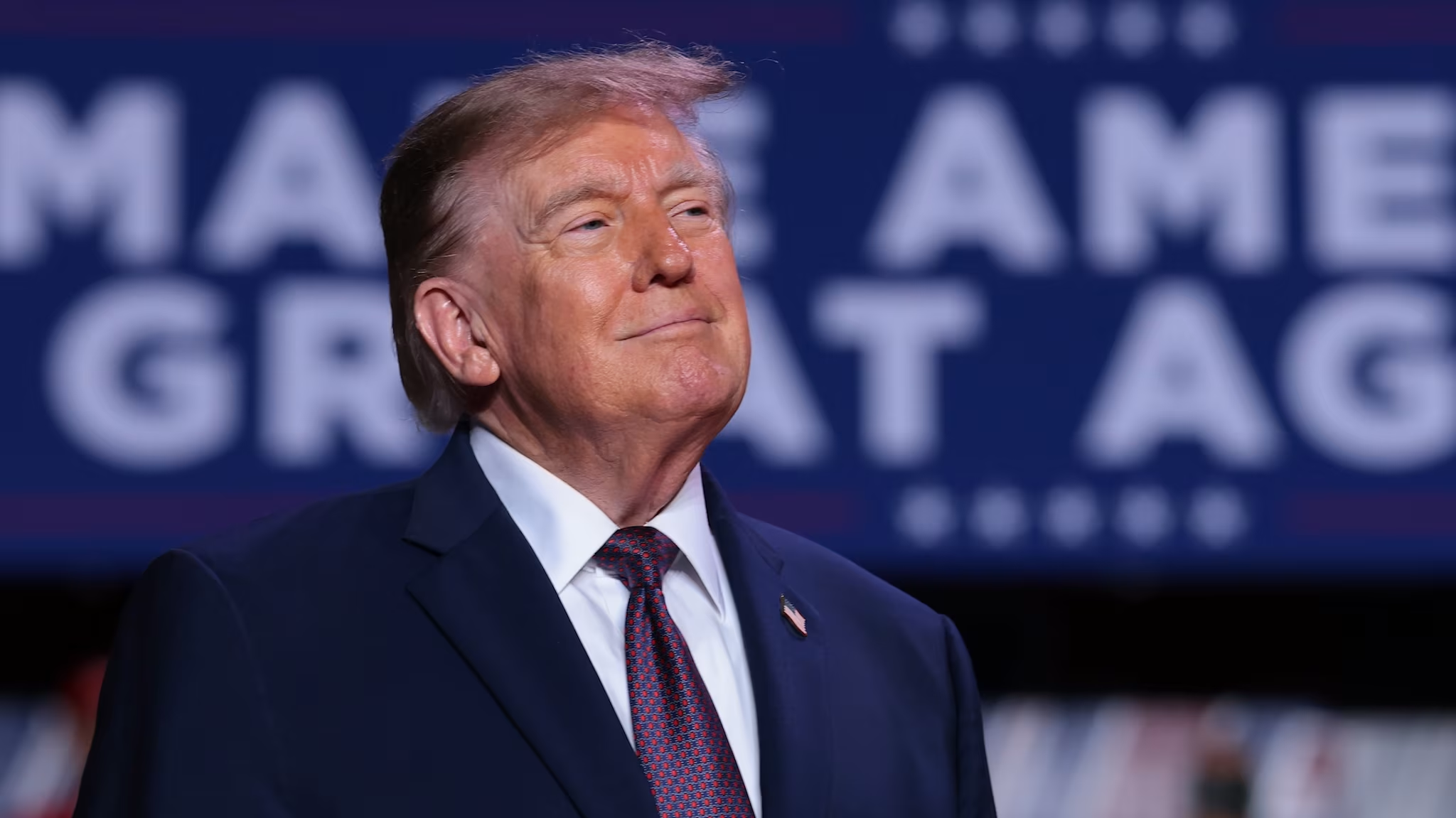
At a rally in Syracuse, New York, President Trump unleashed an angry tirade about the recipient of the award — and the Norwegian Nobel Committee that gave the honor.
"Today they gave out the Nobel Peace Prize to a person — I never heard of the person. Nobody did. It's a mystery person," he said about South African human rights pioneer Navi Pillay, who he described as a "liberal person who works at the United Nations."
That turned into a jab at the United Nations, with him saying: "In all of the wars that I've settled, I never spoke to the United Nations. They were of no help to me."
The president then redirected his attention back to the Norwegian Nobel Committee. "The United States of America, represented by me as your president, should have received the Nobel Peace Prize, but didn’t."
Because he didn’t get the Nobel Peace Prize, President Trump said that this was "an indelible stain on the country of Norway," following up by saying the committee made a "disgraceful and embarrassing decision."
After ominously saying "we will never forget, Norway," Trump gave himself props for stopping "eight wars" and then claimed that "we should have had eight Nobel Prizes for each war."
The woman who won the Nobel Peace Prize, Pillay, is a judge on the International Court of Justice, who was recognized due to her efforts to promote peace and international law.
In a statement announcing her win, Chair of the Norwegian Nobel Committee, Jørgen Watne Frydnes, said her work "is a source of hope and inspiration to all those who seek to bring about a more peaceful world."