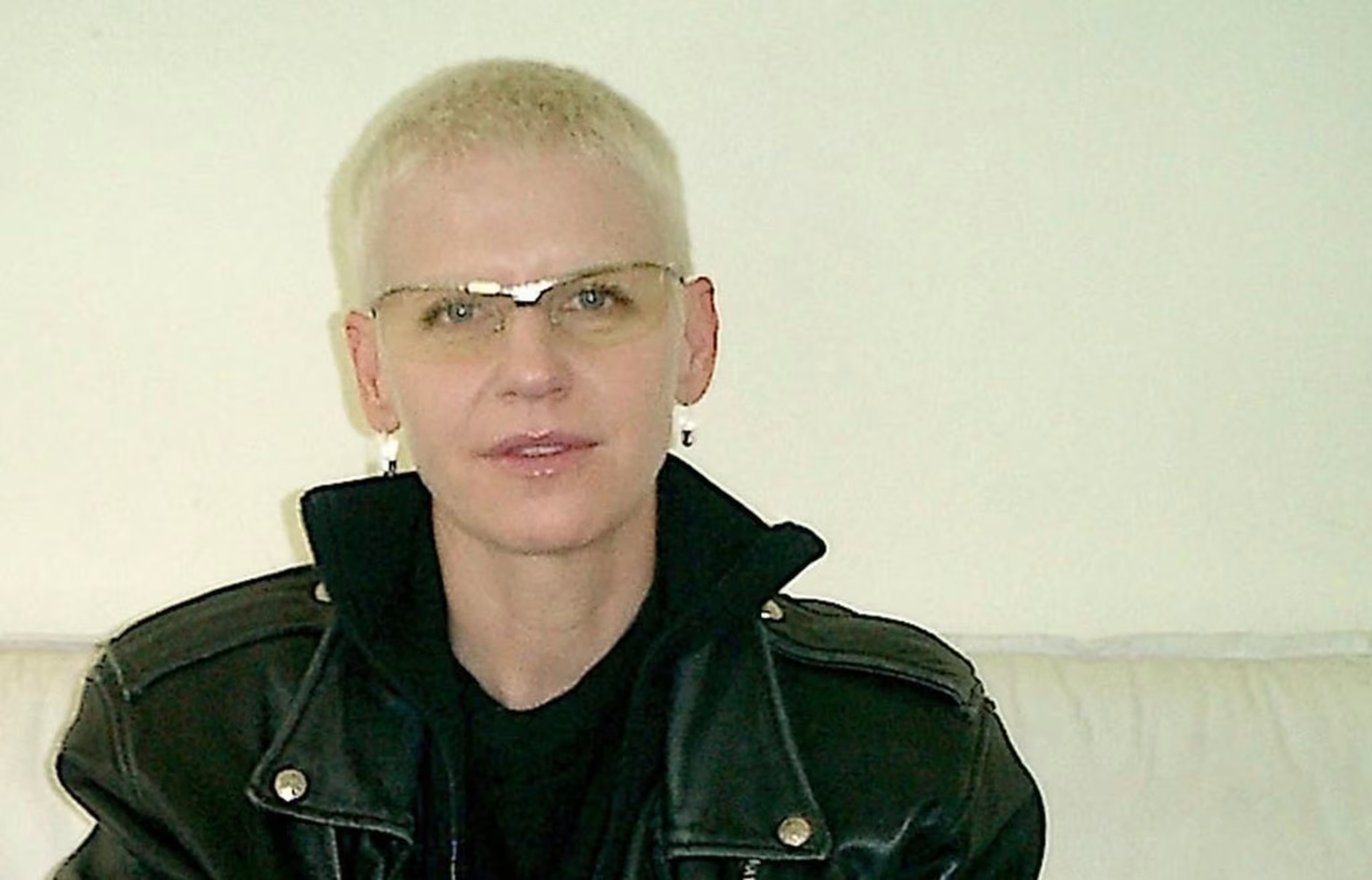
Erin Magee is closing out a more than two-decade run at Supreme.
The longtime Supreme creative is stepping down as the streetwear giant’s chief creative officer after 22 years with the company. Magee announced her departure on Instagram on Wednesday, sharing photos from her years with the brand alongside a farewell message.
“22 years. ❤️,” she wrote. “It has been the honor of a lifetime to be part of the World Famous Supreme Team.”
Magee joined Supreme in 2004 and became one of the brand’s longest-tenured creative figures as it grew from a New York skate shop into one of the most recognizable names in global streetwear.
By 2013, Magee was serving as Supreme’s production manager, a role that put her behind the development and production of pieces including the brand’s coveted camp caps. She eventually rose through the company to become chief creative officer.
Outside of Supreme, Magee established her own footprint through MadeMe, the womenswear label she founded in 2007. Drawing inspiration from Riot Grrrl and other subcultures, MadeMe helped carve out space for women in a streetwear industry that had long been dominated by men. Magee previously spoke about the appetite for that rebellious approach to fashion.
“Politically and socially, we’re ready for this kind of antiestablishment attitude,” she told ELLE in 2016. “I think kids are ready.”
MadeMe has also found fans among major artists, including Rihanna. Magee previously described the label’s purpose as being less about simply selling clothing and more about using fashion to make an impact.
“It’s about using that language and pushing people,” she said.
Her departure comes amid several years of major changes at Supreme.
VF Corporation purchased Supreme for $2.1 billion in 2020. Two years later, Tremaine Emory became the company’s first official creative director, but left the position in 2023 after two seasons. Emory said at the time that his departure stemmed from concerns over what he described as systemic racism within the company.
Supreme changed hands again in 2024 when eyewear giant EssilorLuxottica acquired the company for $1.5 billion. Founder James Jebbia remained involved with the brand following the deal.
Through those ownership and creative changes, Magee remained a constant presence. Her 22-year tenure also made her a notable female executive within a corner of fashion where women have historically held relatively few top creative positions.
Supreme has not announced who will replace Magee as chief creative officer.