Key Takeaways
- Colin Kaepernick says stadium owners are “openly colluding” against Macklemore after his pro-Palestinian performances reportedly led multiple venues to reject him from Ed Sheeran’s tour.
- Kaepernick compared the situation to his own NFL exile, arguing that powerful owners organize to make dissent professionally costly and protect “their power” and “their money.”
- Robert Kraft cited Macklemore’s alleged history of antisemitic rhetoric rather than his Palestinian advocacy, while Sheeran blamed the promoter and the tour’s remaining opening acts withdrew in solidarity.
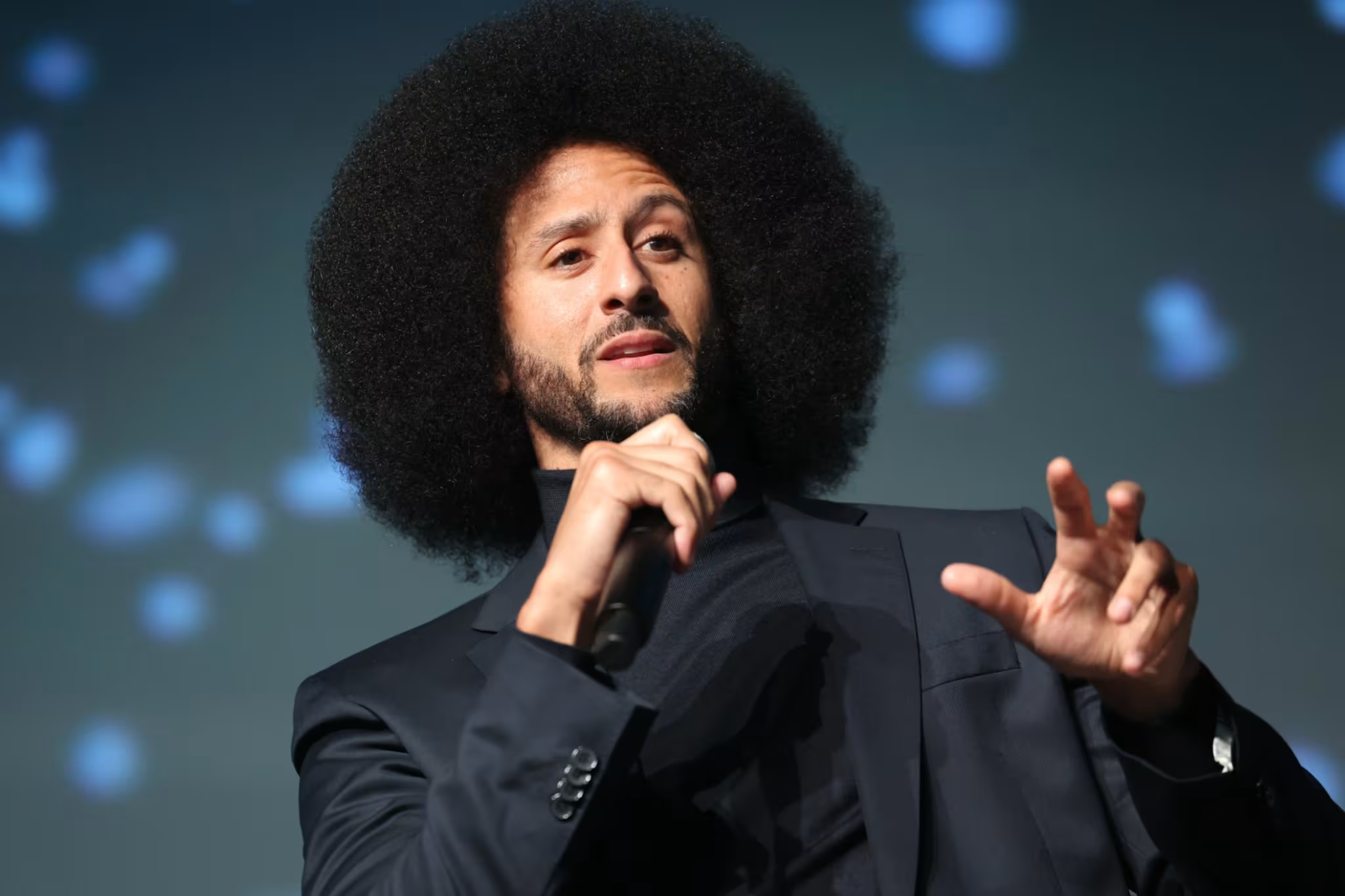
Colin Kaepernick took one look at Macklemore getting pushed off Ed Sheeran’s stadium tour and recognized the playbook. The former San Francisco 49ers quarterback says the artist’s removal shows powerful venue owners doing openly what Kaepernick accused NFL owners of doing to him nearly a decade ago: organizing against someone whose protest threatened their interests.
“What Robert Kraft and what they’re saying by denying Macklemore the opportunity to go out and perform with Ed Sheeran is that they are willing to collude,” Kaepernick told Ben Meiselas during a MeidasTouch interview. “They are openly colluding.”
New England Patriots owner Robert Kraft also owns Gillette Stadium, where Macklemore had been scheduled to open for Sheeran on Sept. 25 and 26. Macklemore claimed Kraft rejected his appearance and persuaded other stadium owners to do the same, leaving tour organizers with an ultimatum: Remove Macklemore or risk losing multiple venues.
For Kaepernick, that account cuts through the argument that independent business decisions simply produced the same result. He said owners ultimately prioritize their shared money and power—and want public figures to understand the consequences of challenging them.
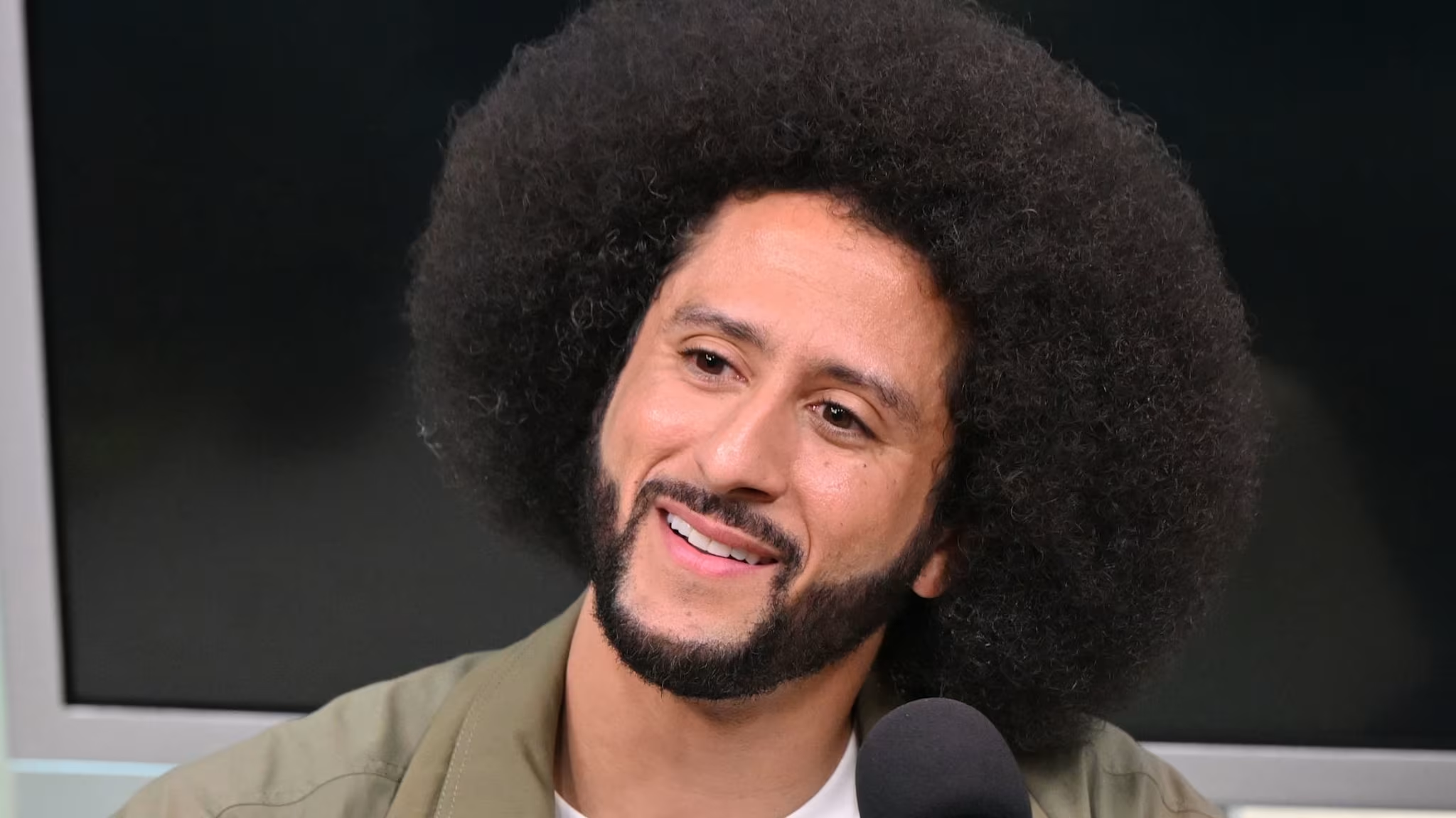
“They also want people to know that if you take an action that they don’t agree with, they will come for you,” Kaepernick said. “They will organize against you, which means that we collectively have to organize to be able to protect our interests as well.”
Kaepernick’s warning comes from experience. He began kneeling during the national anthem in 2016 to protest police brutality and racial injustice, then remained unsigned after opting out of his 49ers contract in 2017.
He later filed a grievance alleging that NFL teams had conspired to keep him out of the league. The NFL denied collusion, and the two sides reached a confidential settlement in 2019.
Macklemore’s removal followed his Sept. 4 and 5 performances at MetLife Stadium, where he shouted, “Free Palestine,” criticized ICE, and performed his Gaza protest song “Hind’s Hall” alongside images of the war and campus demonstrations.
Kraft said the issue was not Macklemore’s support for Palestinians, but what he described as the rapper’s history of antisemitic rhetoric and imagery.
Messina Touring Group said multiple venues refused to hold concerts with Macklemore on the lineup and that cancellations could affect hundreds of thousands of fans. Sheeran has maintained that the promoter made the decision and said protecting the tour’s crew and ticket holders limited his ability to intervene.
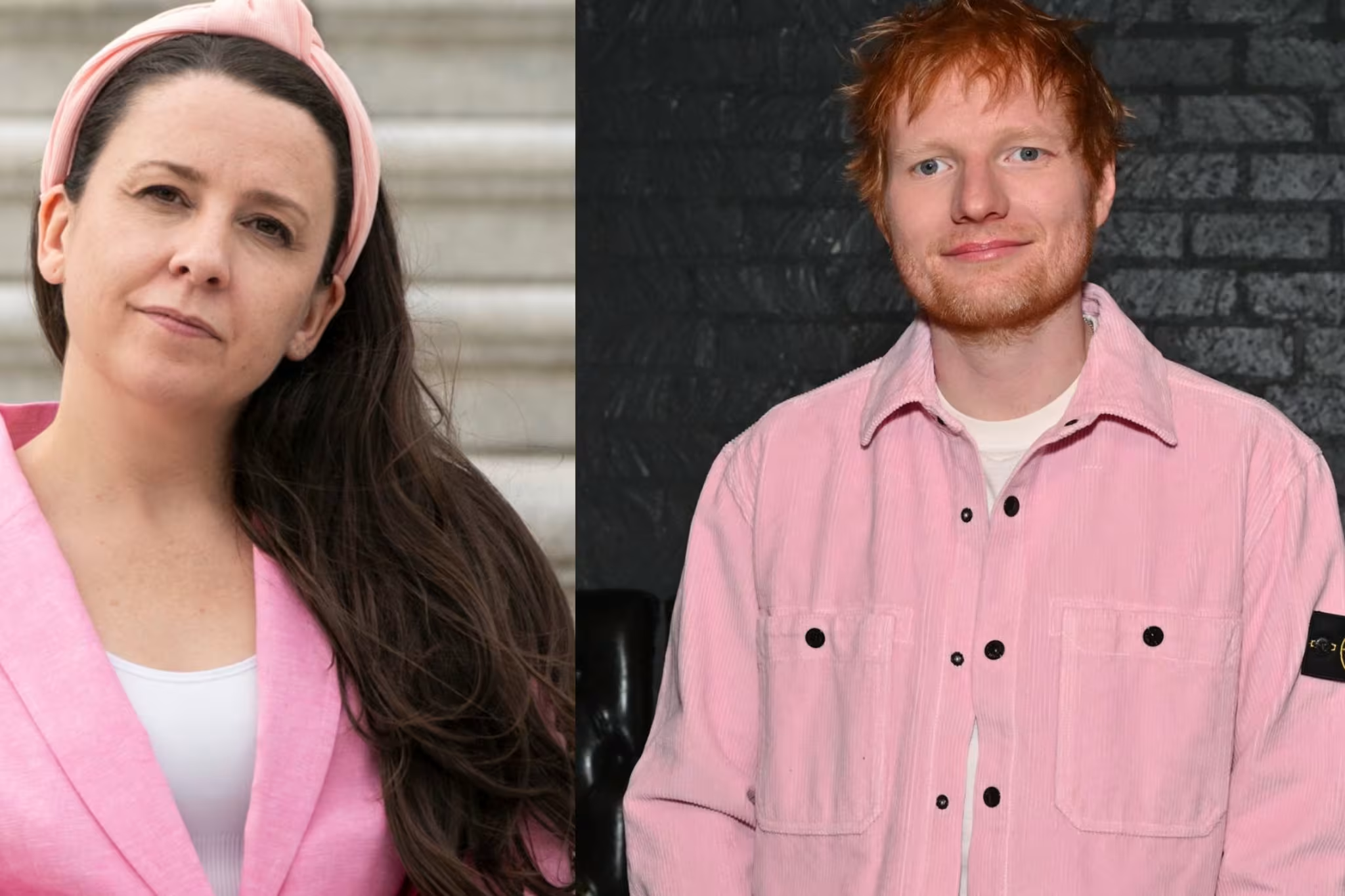
That explanation has done little to contain the fallout. Ms. Rachel accused Sheeran of caving to pressure, while the tour’s remaining opening acts subsequently withdrew in solidarity with Macklemore.
Macklemore also pledged his $1 million tour salary to Palestinian relief organizations. Kraft defended the decision and offered to make a separate humanitarian donation.
Kaepernick says the dispute should not be dismissed as another short-lived celebrity controversy. To him, Macklemore’s experience demonstrates the same warning embedded in his own protest: Owners can use access, employment and collective economic power to make dissent professionally expensive.
“They want to protect their interests,” Kaepernick said. “They want to protect their power. They want to protect their money.”