Key Takeaways
- Mario Chalmers said the championship-era Heat “weren’t scared to hold each other accountable,” including LeBron James, who could take criticism without letting conflict derail the team.
- Chalmers pointed to their heated 2013 bench exchange as an example of honest communication and questioned whether NBA teams still show that level of care during the regular season.
- He also credited Chris Bosh with making Miami’s Big Three work by sacrificing touches and stretching his game to create space for James and Dwyane Wade.
Mario Chalmers wasn’t the biggest name on the Miami Heat’s championship teams. But that didn’t mean he’d keep quiet when he thought LeBron James needed to hear something.
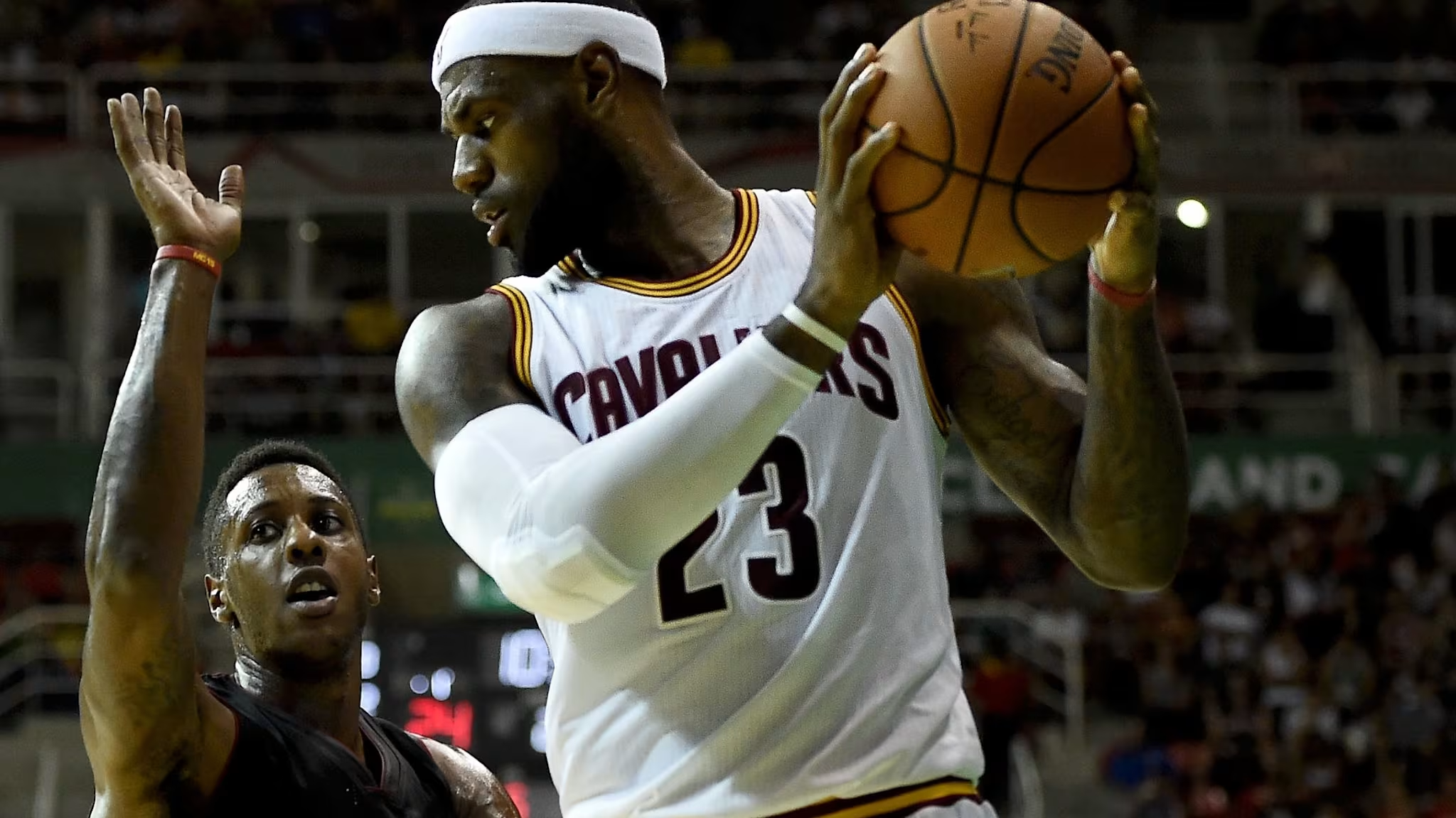
More than a decade after Chalmers and James famously went at each other on the Heat bench, the two-time NBA champion sees that moment differently. To Chalmers, the significance wasn’t that he stood up to one of basketball’s biggest stars. It was that James could get checked by a teammate, fire back, and then keep playing without the disagreement becoming something bigger.
“We really weren’t scared to hold each other accountable,” Chalmers said during an appearance on the Miami Heat Zone podcast with Brandon “Scoop B” Robinson, Martel Llewelyn and Amir Motameni.
That included LeBron.
“Me being who I am, being able to say something to LeBron—who’s considered a GOAT—and he still understands what I’m saying, doesn’t take it personal, and doesn’t make it a clash between us when it could have been,” Chalmers explained.
The exchange Chalmers was discussing happened during a 2013 game against the Indiana Pacers, when cameras caught James angrily confronting his point guard during a timeout.
James later apologized, and both players moved on.
What became an enduring clip from the Heatles era is now Chalmers’ example of something he believes has become harder to find during the NBA regular season: teammates being able to get after each other without the message getting lost in the confrontation.
“That was the best part of it all: being able to communicate and say whatever to a teammate who’s your brother, and he won’t take offense because he understands you’re trying to make the best situation,” Chalmers said. “I don’t know if there’s still that level of care in the NBA right now—during the regular season, let me say that.”
He made an exception for the postseason, adding, “In the playoffs, for sure, they show they do.”
Chalmers had a front-row seat to what happened when that accountability met an absurd amount of talent. He spent seven-plus seasons in Miami and started alongside James, Dwyane Wade and Chris Bosh as the Heat won consecutive championships in 2012 and 2013.
It didn’t work immediately.
Miami’s Big Three famously fell to the Dallas Mavericks in the 2011 NBA Finals, and Chalmers says the problem wasn’t simply talent. The Heat first had to establish how three franchise players accustomed to being the guy could coexist.
“Somebody has to take a backseat for everybody to be successful,” Chalmers said. “I think that’s what we struggled with that first year when we lost to Dallas.”
Chris Bosh became essential to making that arrangement work. Chalmers recalled Bosh moving away from the post and expanding his perimeter game, creating room for James and Wade while sacrificing the touches he had received as Toronto’s centerpiece.
“He made our engine go on the silent tip,” Chalmers said of Bosh.




