Key Takeaways
- Harvey Weinstein received a 15-year prison sentence for sexually assaulting former Project Runway production assistant Miriam Haley in 2006.
- Weinstein apologized for how his conduct affected others but denied sexually assaulting anyone, while Haley said the trauma and repeated testimony amounted to “a life sentence for me.”
- The sentence follows a retrial after New York’s highest court overturned his 2020 conviction, and Weinstein still awaits resentencing for his separate California rape conviction.
Harvey Weinstein is staying behind bars.
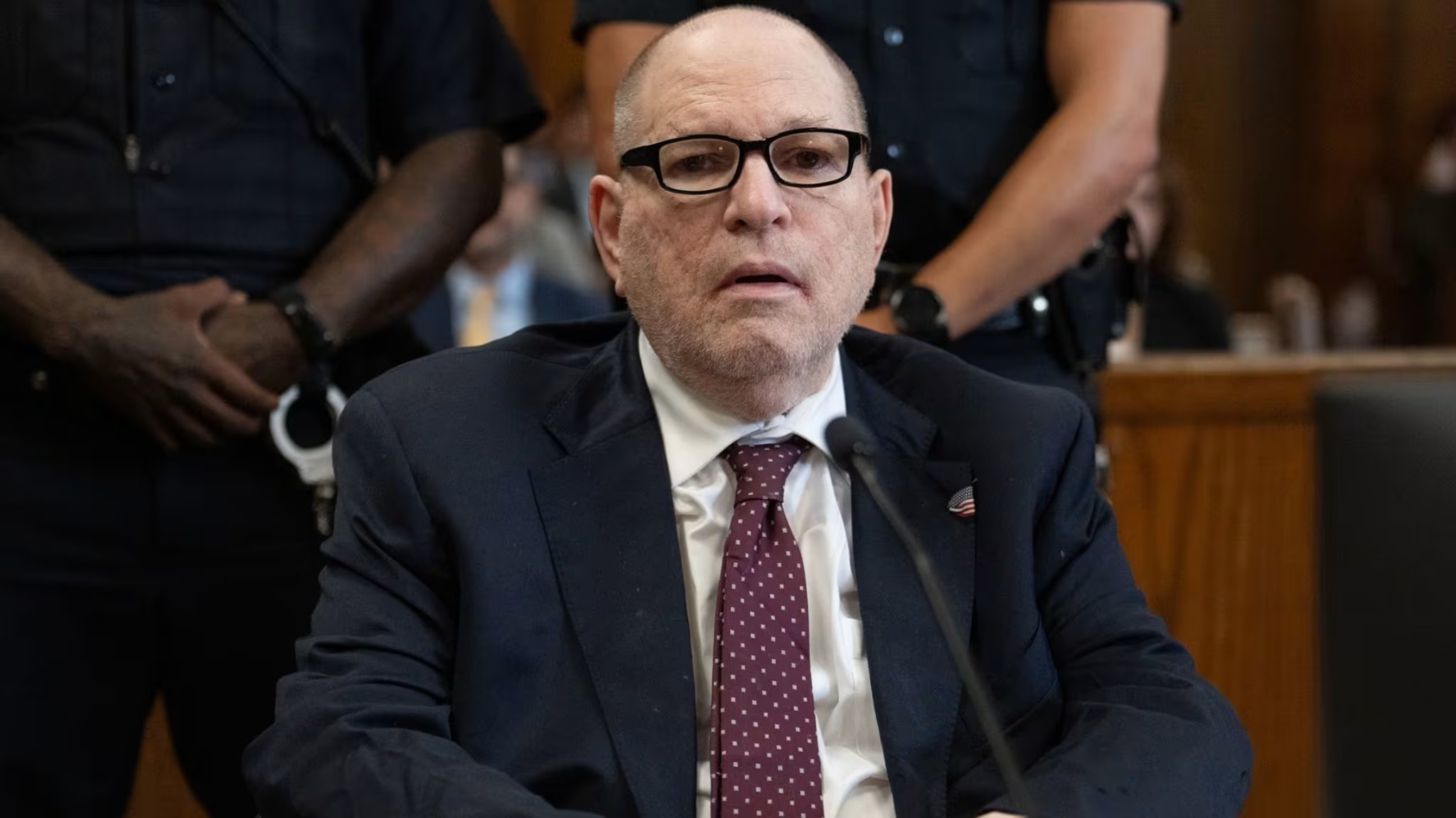
According to The Associated Press, the disgraced Hollywood mogul was sentenced Wednesday to 15 years in prison for sexually assaulting former Project Runway production assistant Miriam Haley, more than two years after New York's highest court overturned the conviction that originally sent him to prison.
Weinstein, 74, faced up to 25 years for the first-degree criminal sex act conviction. Before Judge Curtis Farber handed down the sentence, Haley returned to court to describe what the 2006 assault—and the years spent repeatedly testifying about it—had cost her.
“Having been sexually assaulted by Harvey Weinstein has had a devastating effect on my life and sense of security that may never go away,” Haley told the court. “Making the decision to speak up will have me looking over my shoulder for years to come.”
“It’s a life sentence for me,” she added.
Weinstein also addressed the court, offering an apology while continuing to maintain that he never sexually assaulted anyone.
“Reflecting on all that has happened since 2017 has helped me recognize how my past conduct has negatively affected others,” Weinstein said. “I live with many regrets and sincerely apologize to anyone I have affected with my actions.”
Farber wasn't persuaded that Weinstein had fully accepted responsibility. The judge pointed to the enormous power Weinstein once wielded as the producer behind films including Pulp Fiction, Shakespeare in Love, and Chocolat, telling him that “recognition for these achievements will pale in comparison to what you did.”
Farber went further, calling Weinstein “a sexual predator, the literal face of the MeToo movement” who treated women as “mere objects to be played with and discarded.”
But New York's highest court overturned that conviction in 2024, ruling that the trial judge improperly allowed testimony about allegations that weren't part of the criminal charges.
That decision didn't end the case. Prosecutors put Weinstein on trial again, and another jury convicted him last year of sexually assaulting Haley. Jurors acquitted him of a separate charge involving Kaja Sokola but couldn't reach a verdict on Mann's rape allegation.
Prosecutors tried the Mann charge once more this year, only to get another hung jury. They ultimately dropped it after Mann said she couldn't put herself through a fourth trial.
Weinstein's lawyers had pushed for just three additional years beyond the six he has already spent in custody, citing serious health problems including blood cancer, congestive heart failure and kidney issues. He has been hospitalized six times since 2025.
The 15-year sentence isn't Weinstein's only remaining legal consequence. He is also awaiting resentencing in Los Angeles after a California appeals court upheld his separate 2022 rape conviction while tossing his original 16-year sentence.
After court, Haley said she was pleased with the sentence but didn't believe Weinstein's remarks amounted to accountability.
“I think he still feels entitled,” she said, “and that’s part of the problem.”
If you or someone you know has experienced sexual assault, help is available. Contact the RAINN National Sexual Assault Hotline at 1-800-656-HOPE (4673) or use RAINN's online hotline for free, confidential support.