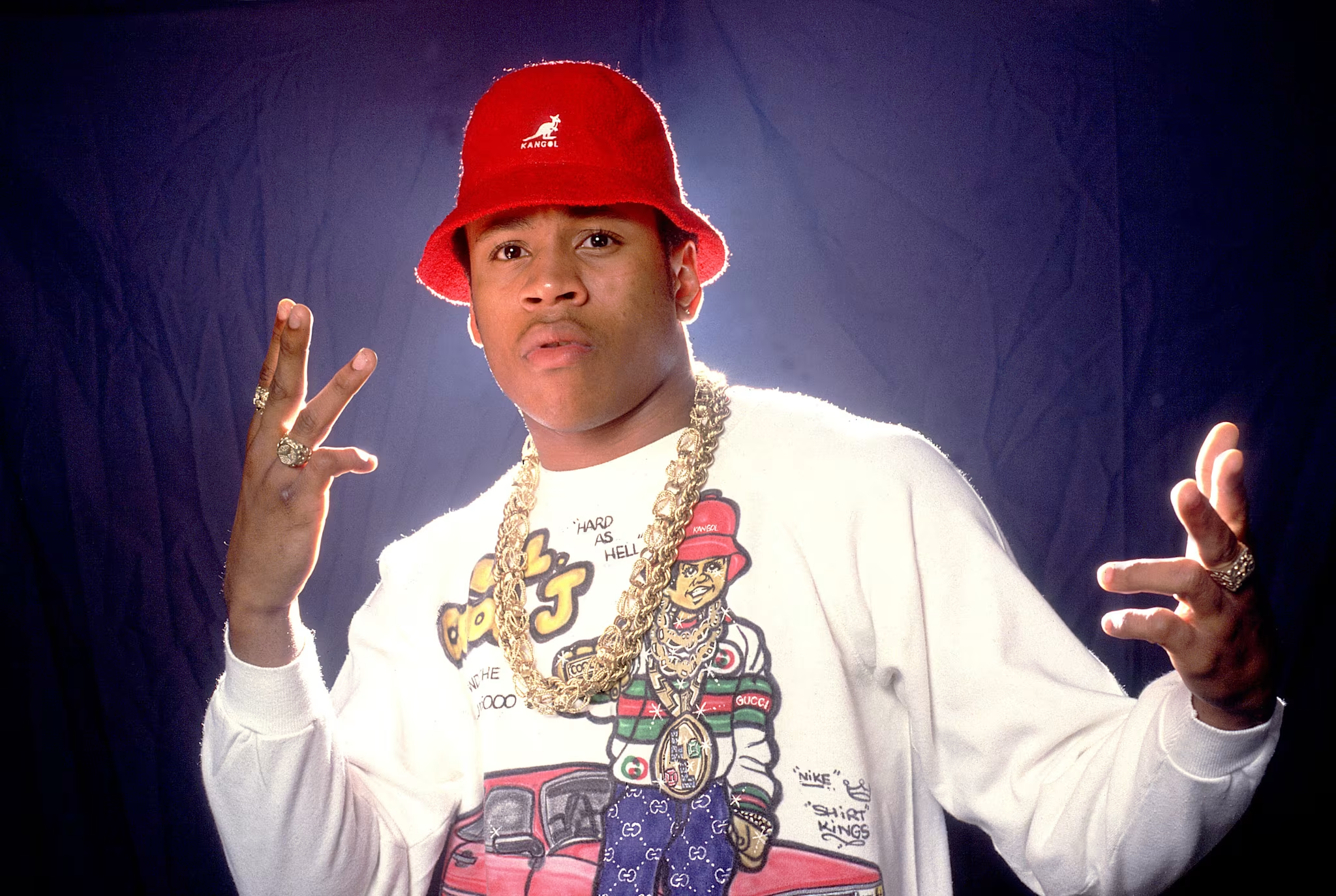
Brian Desind spent nearly 15 years convinced music was his calling. He wrote, recorded, performed, and at one point worked alongside LL Cool J. When that chapter closed without the career he had imagined, he chalked it up as a loss.
He was wrong about that. The years spent hustling for an audience, shooting videos on no budget, promoting himself online, building fans one at a time, turned out to be a crash course in something the internet era rewards more than almost anything else: knowing how culture moves.
"I didn't disrupt the cigar industry because I knew cigars," Desind says. "I disrupted it because I knew culture."
That instinct became Privada Cigar Club, a company that treats premium cigars less like a legacy luxury good and more like a Supreme drop, a Jordan release, or a limited vinyl pressing, products people line up for, argue about, and collect.
Anyone who has tried to break into music without a label knows the drill. The song is maybe a third of the job. The rest is image, story, content, and the slow work of making strangers feel like they're part of something. Rappers learned this before brands did: you're not selling a track, you're selling a world.
Desind absorbed all of it, mostly by necessity. When he later entered the cigar business with little capital and no industry pedigree, that skill set was what he had. The internet let him talk directly to an audience, and his music years told him what to say, how to frame a release, build anticipation, and make people care about the backstory.
Man plans, God laughs, as the saying goes. Music was supposed to be the destination. It turned out to be the training montage.
On paper, the cigar world could not be further from hip-hop and streetwear. It's an old category with old habits: familiar labels, humidor shelves, handshake retail.
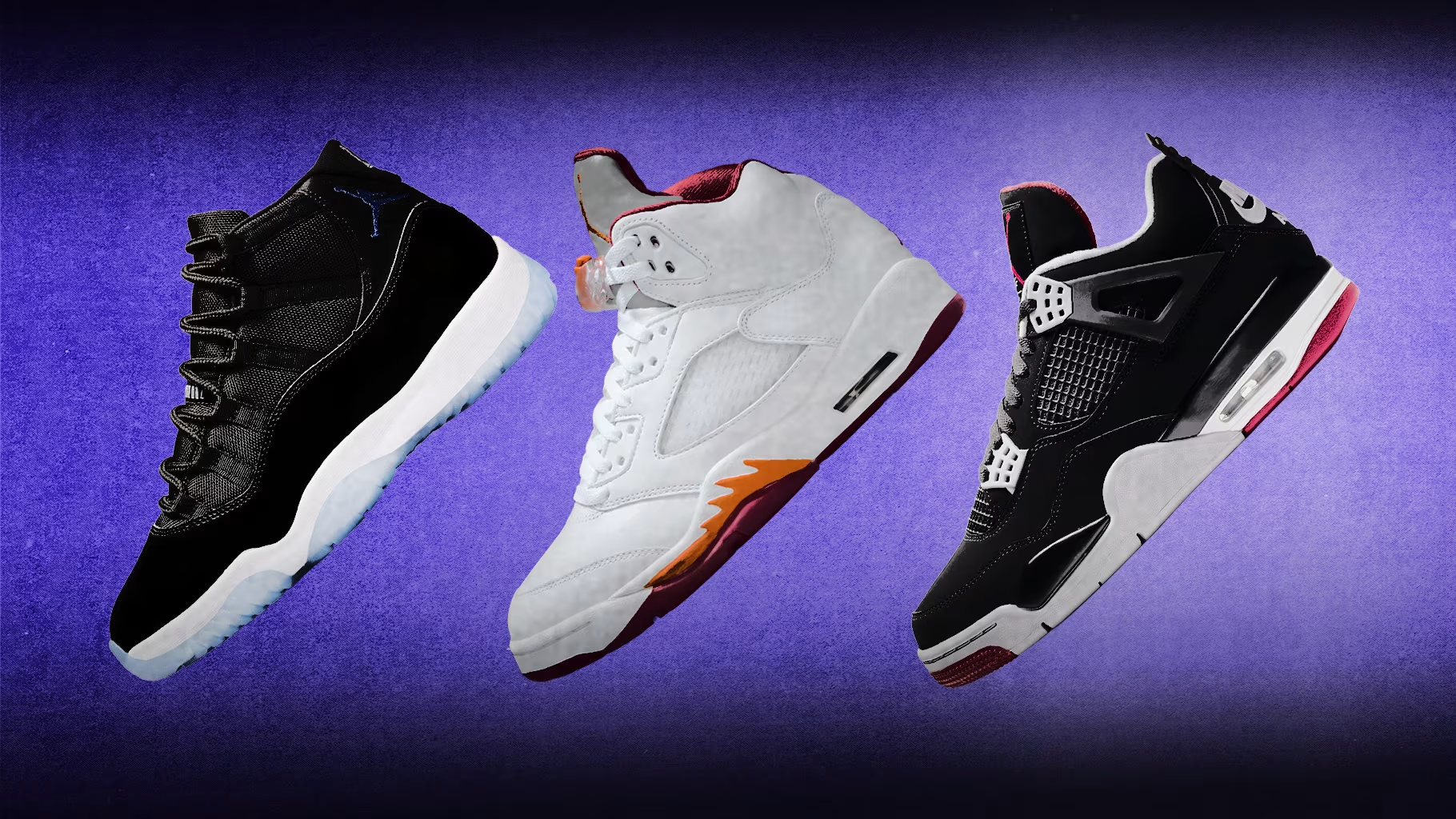
But Desind saw the same gap that Supreme, Nike's SNKRS app, and Record Store Day had all exploited elsewhere. Streetwear proved that scarcity plus community turns a purchase into an event. Sneaker culture turned release dates into holidays. Vinyl collectors showed that context, the pressing, the story, the reason it's rare, is often worth more than the object.
So Desind asked the obvious-in-retrospect question: why not here?
Privada's answer borrowed the whole toolkit. Limited runs. Surprise drops. Collaborations. Numbered collector cards. Each release framed not as another product on a shelf but as a launch, with an origin story, a maker, and a reason it exists. The hype cycle, transplanted into a category that had never had one.
The logic mirrors what drives sneakers, watches, and records: collectors don't just want the thing. They want the story of the thing, and the status of having caught it before it was gone.
Borrowed aesthetics only go so far, and Desind knew it. He went to Nicaragua, walked factory floors, and built relationships with the growers and makers whose work usually reaches consumers stripped of any context.
That access became content. Privada started documenting where releases came from, how they were made, and why certain blends vanished or never made it to wide distribution, essentially writing liner notes for products that had never had them.
It's the same principle that makes a song hit harder once you know what the artist was going through when they wrote it.