None
Intro
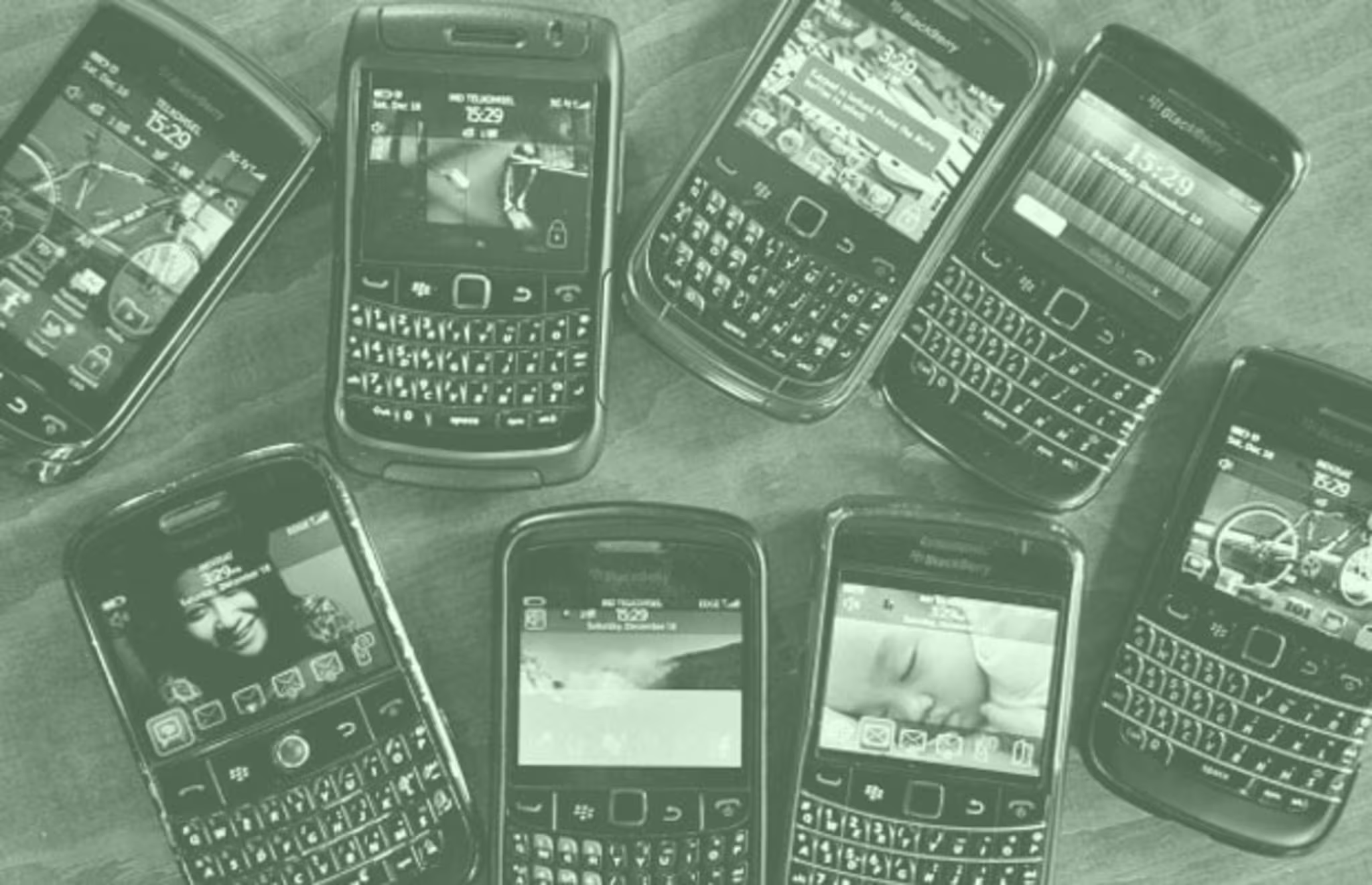
Research in Motion, the Canadian corporation that makes the BlackBerry line of smartphones, had a rough 2011. While Apple's iOS and Google's Android platform managed to sell better each quarter, BlackBerry seemed to take a backseat in the mobile race. Multiple service outages, a lackluster launch of its PlayBook tablet, and the continued woes of the paltry Blackberry App World have stockholders a little more than worried. With earnings in the red, some share holders are asking the company to either drastically turn itself around, or sell. Microsoft, Nokia and Amazon reportedly offered to buy out RIM, but the Canadian company refused. Read below to see who we think would be a good fit to takeover RIM's sinking ship.
By William E. Ketchum III (WEKetchum)
Google's having no problem with the growth of its Android platform. However, with the recent raft of lawsuits the search giant has been hit with over the past few years regarding its mobile operation, copping a company stocked with mobile patents like RIM could be a smart idea. Sure, some say it's purchase of Motorola Mobility was a mistake, but we've yet to see how that marriage plays out.
QNX, the operating system RIM acquired last year that has been the foundation of the PlayBook and of upcoming Blackberries, can run already run Android apps, so creating a situation where the two platforms live and work together should be relatively easily. Acquiring RIM would also give Google stronger footing in the enterprise market, giving it a more complete reign of the mobile market.
Microsoft
Microsoft & Nokia
Rumors about Microsoft buying RIM heated up when Steve Ballmer, the company's CEO, attended this year's Blackberry World trade show in May. The two companies have collaborated since, with newer BlackBerrys having Bing as the default search engine on their devices. Microsoft's own mobile operating system, Windows Phone 7, was built on the premise of simplicity and utility. Somethings the BlackBerry OS has been lately lacking. Using Window's ease of use while leveraging BlackBerry's email and security could be a win. This could be the perfect opportunity for two underdogs (Microsoft's mobile devices aren't even nearing the sales of Apple, Google, and even RIM) to combine their resources and make a strong case to stake a claim in the enterprise market that BlackBerry has had such an infallible hold on over the years.
Amazon
Amazon
One of the biggest things Amazon could offer RIM is a built-in customer base. Its major platform has already done a stellar job at making a dent in heavily-competed areas: the Kindle Fire has emerged as a relatively worthy adversary in the tablet market, and its storefront is one of the few to rival the Apple Store when it comes to the sales of music, films, and more. The Kindle Fire actually uses software similar to RIM's doomed Blackberry Playbook, which was critically panned and produced lackluster sales until it substantially dropped its prices after Thanksgiving. Amazon has yet to make smartphones, so why not test their winning streak with a company that has turned its other projects to gold?
Amazon, platform agnostic online super power, would push its various stores onto the BlackBerry faithful. Its app store, the one that sells Android apps (and now apps for its Kindle Fire), is already leaps and bounds ahead of the BlackBerry App World. Combining the two would increase developer interest in the BlackBerry platform, and be a boon for customers. Sure, Amazon said it doesn't plan on making a smartphone, but it also said it never had any intentions of entering the tablet market, and look at it now.
Samsung
Samsung
The Korean consumer electronics giant hasn't been as visible of a player, but it would still have a lot to gain from a buyout or merger. This fall, it unveiled its Enterprise Alliance Program—an organization built to facilitate the day-to-day implementation and use of the company's mobile devices at businesses. An acquisition of RIM would help those goals of working with corporate business. Plus, Samsung already has experience in using multiple operating systems on its devices: Right now it has Windows devices and Android phones, so adding a Blackberry device to the roster may not be a bad idea. They have also warred with Apple over patent issues, so RIM's collection of intellectual property would give Samsung stronger armor.
Oracle
Oracle
A writer over at Ars Technica believes that Oracle, a computer technology corporation that specializes in database systems, would be the best fit for a RIM purchase. The company already has a strong focus on enterprise customers, so it would be a merger of the field's two powerhouses. Oracle has also shown a penchant for entering new markets with buyouts: It entered the server game with its 2009 purchase of Sun Microsystems, and broke into financial management software after buying Siebel, PeopleSoft, and JD Edwards. RIM could be a good entrance into the mobile industry for Oracle.
Lenovo
Lenovo
Lenovo was never in the running to take over RIM, but we feel the BlackBerry brand would be a perfect fit for the Chinese computer maker. When it comes to corporate computing, Lenovo is second only to HP, thanks to its purchase of IBM's personal computer division back in 2005. Many thought the ThinkPad line would suffer in the hands of another company, but instead its greatly prospered with Lenovo staying true to the ThinkPad's roots while dragging it into the future with new designs and innovations. The same can be done for BlackBerry. Lenovo can keep some legacy models around for those that love BlackBerry the way it is, and build some new, cutting edge handsets to attract new users.
None
Here's Why RIM Shouldn't Sell
Research In Motion has apparently turned down offers from other companies to buy them out, as reports have said it wants to “solve their problems on their own.” Many would argue that sticking to its guns is what got them into such a rut in the first place, but there's still the off chance that Blackberry 10 could re-energize interest in the brand and save the company. Hopefully, the company is still around by late 2012, which is when the devices are now slated to drop. But even if Blackberry 10 isn't the savior that RIM is hoping, RIM still has a sizable customer base in the enterprise market. The enterprise market is much more loyal and results-oriented than the consumer base, which often focuses on what's “hot” when purchasing mobile devices, not to mention obsessed with security, which RIM handles aptly. RIM also still has a loyal international customer base: the launch of the Blackberry 9790 in Jakarta, Indonesia garnered thousands of hopeful customers, and police were called to help control the crowds. The BlackBerry brand is still a powerful one, one that, perhaps, shouldn't be given up on. It's still possible for the company to turn its fortunes around, but it better act quick. We've already seen some iPhones creeping into workplaces.




