Key Takeaways
- Kirk Franklin says his personal Gospel Mt. Rushmore is Andraé Crouch, Thomas Whitfield, John P. Kee, and Walter Hawkins, honoring foundational voices who shaped the genre across different eras.
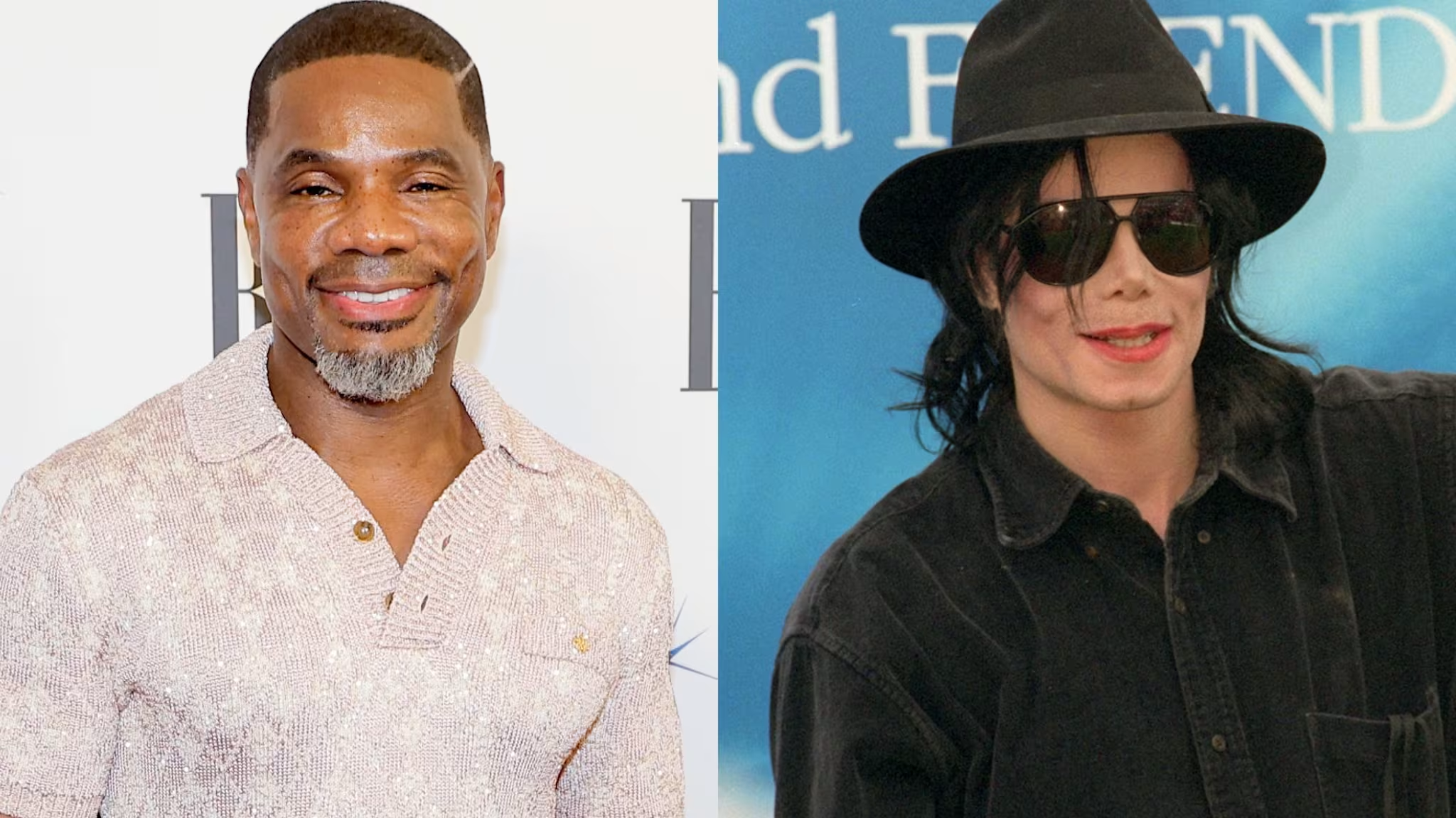
- He calls Michael Jackson a massive creative influence, revealing that his studio is essentially a tribute to Jackson and co-signing a DJ-made remix of “You Are the Only One,” built on a Michael-inspired beat, as “fire.”
- The piece connects Franklin’s boundary-pushing gospel—blending choirs, hip-hop, R&B, and pop with collaborators from Mary J. Blige to Kanye West—to Jackson’s own gospel-tinged catalog and his work with Andraé Crouch on songs like “Keep the Faith,” “Will You Be There,” and “Earth Song.”
Kirk Franklin has spent more than three decades pushing gospel beyond traditional boundaries, but the artists on his personal Mount Rushmore reach back to the genre’s foundational voices.
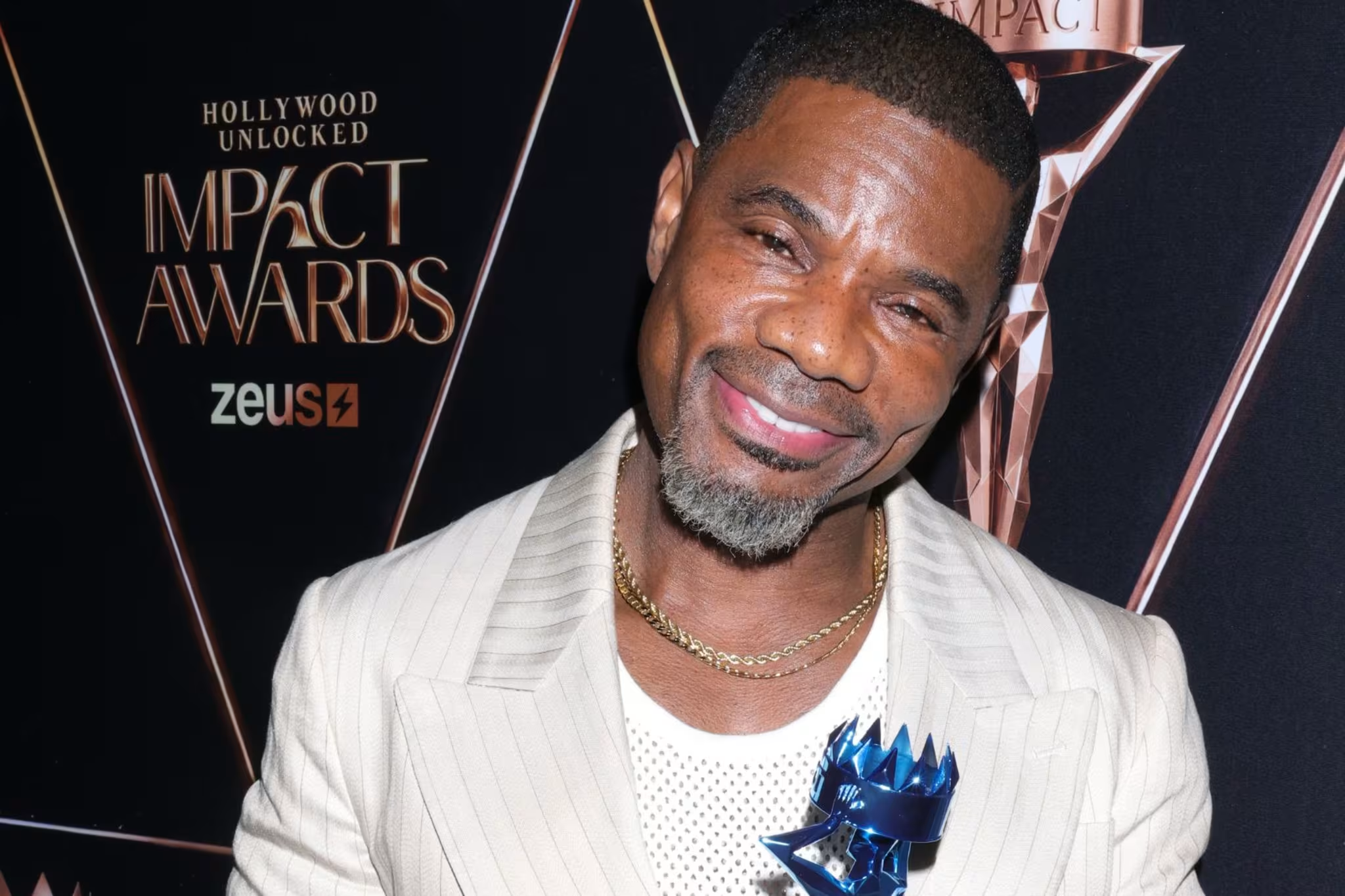
During a red-carpet interview with Brandon “Scoop B” Robinson, Franklin named Andraé Crouch, Thomas Whitfield, John P. Kee, and Walter Hawkins as the four gospel greats who belong on his monument. He also revealed that another musical giant—Michael Jackson—still surrounds him every time he enters his studio.
Franklin didn’t hesitate when Robinson asked what Jackson meant to him creatively. “Everything in my studio is Michael Jackson,” he said. “My whole studio upstairs, it’s just a tribute to Michael.”
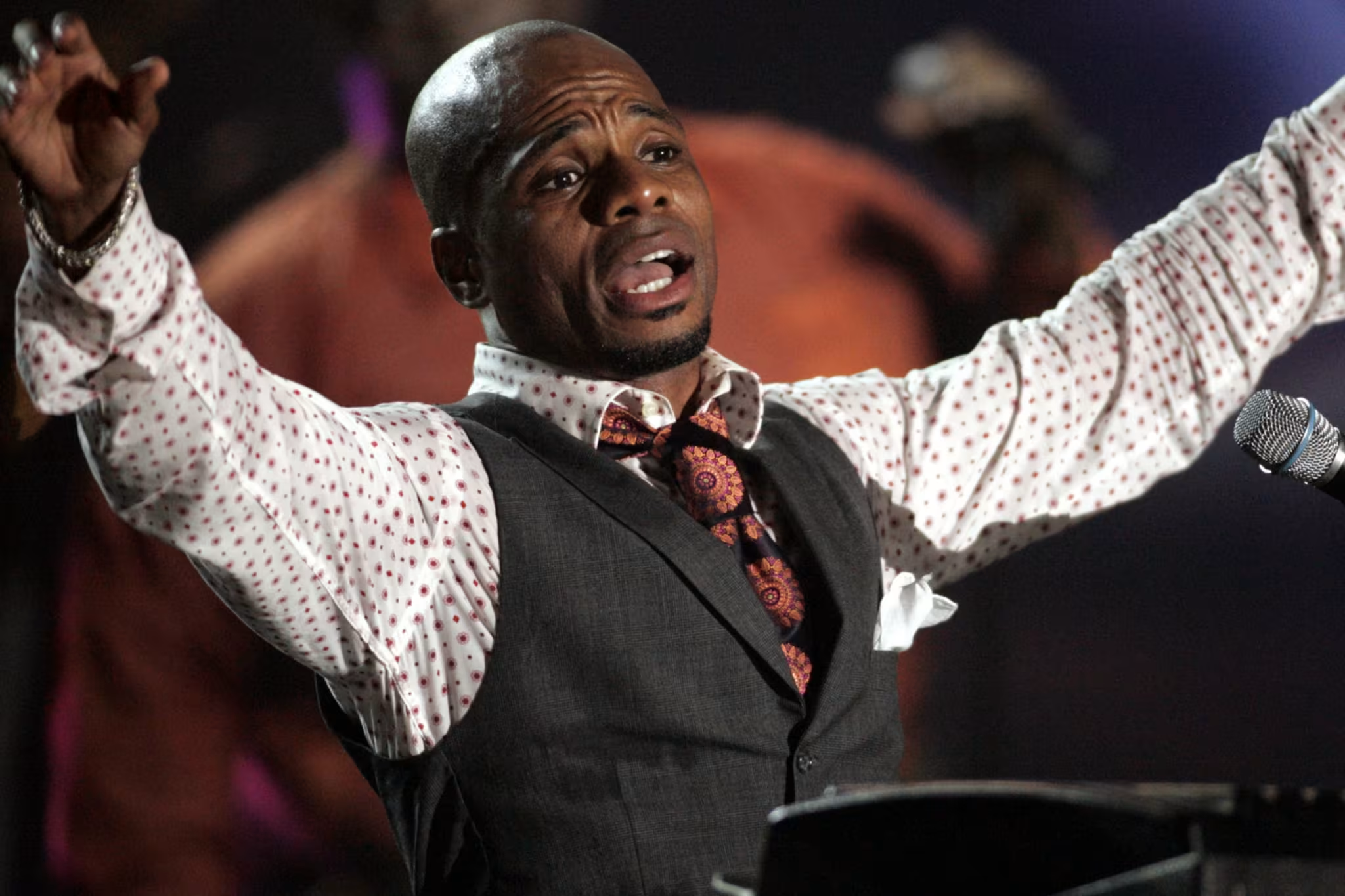
That connection makes sense for an artist who has repeatedly expanded the commercial possibilities of gospel without abandoning its spiritual center. Since breaking through with Kirk Franklin and the Family in the 1990s, Franklin has brought church choirs, hip-hop production, R&B hooks, and pop-sized arrangements into the same room.
Songs including “Stomp,” “Revolution,” and “Imagine Me” helped make gospel records part of a broader cultural conversation, while his collaborations have ranged from Mary J. Blige and Bono to Kanye West and Lil Baby.
Robinson also asked Franklin about a remix of “You Are the Only One” that incorporated a Michael Jackson-inspired beat. Franklin clarified that the production came from a DJ rather than from him, but he had no complaints about the result. “That was a DJ that did it,” Franklin said. “It was fire though!”
Jackson’s own catalog frequently drew from gospel’s scale and emotional force. “Keep the Faith” and “Will You Be There,” both from his 1991 album Dangerous, leaned heavily into choir-driven arrangements, while songs such as “Earth Song” used communal vocals to turn pop spectacle into something closer to a mass plea.
Crouch—one of Franklin’s four Gospel Mt. Rushmore selections—worked with Jackson on multiple recordings, including “Keep the Faith,” “Will You Be There,” “Earth Song,” and “Man in the Mirror.”
Franklin’s list also maps several different eras of gospel power: Crouch helped modernize the genre’s reach, Hawkins brought church-rooted sophistication to crossover audiences, Whitfield became known for his intricate musicianship, and Kee built a muscular choir sound that resonated far beyond Sunday service.