Key Takeaways
- Hundreds of patients are suing Novo Nordisk and Eli Lilly, alleging GLP-1 drugs including Ozempic, Wegovy, Mounjaro, Zepbound, and Trulicity caused sudden, permanent vision loss without adequate warnings.
- The lawsuits focus on NAION, a rare condition that restricts blood flow to the optic nerve, though diabetes and other health issues can independently raise the risk of eye damage.
- Novo Nordisk calls the claims “without merit,” Eli Lilly says it monitors safety reports, and European regulators added NAION to semaglutide product information in 2025 while specialists maintain the overall risk remains low.
A man taking Ozempic for diabetes woke up unable to see out of one eye. He kept taking the drug because he did not know what had happened. Months later, he lost sight in the other eye. Now legally blind, the 63-year-old is among hundreds of patients suing the makers of GLP-1s over sudden vision loss.
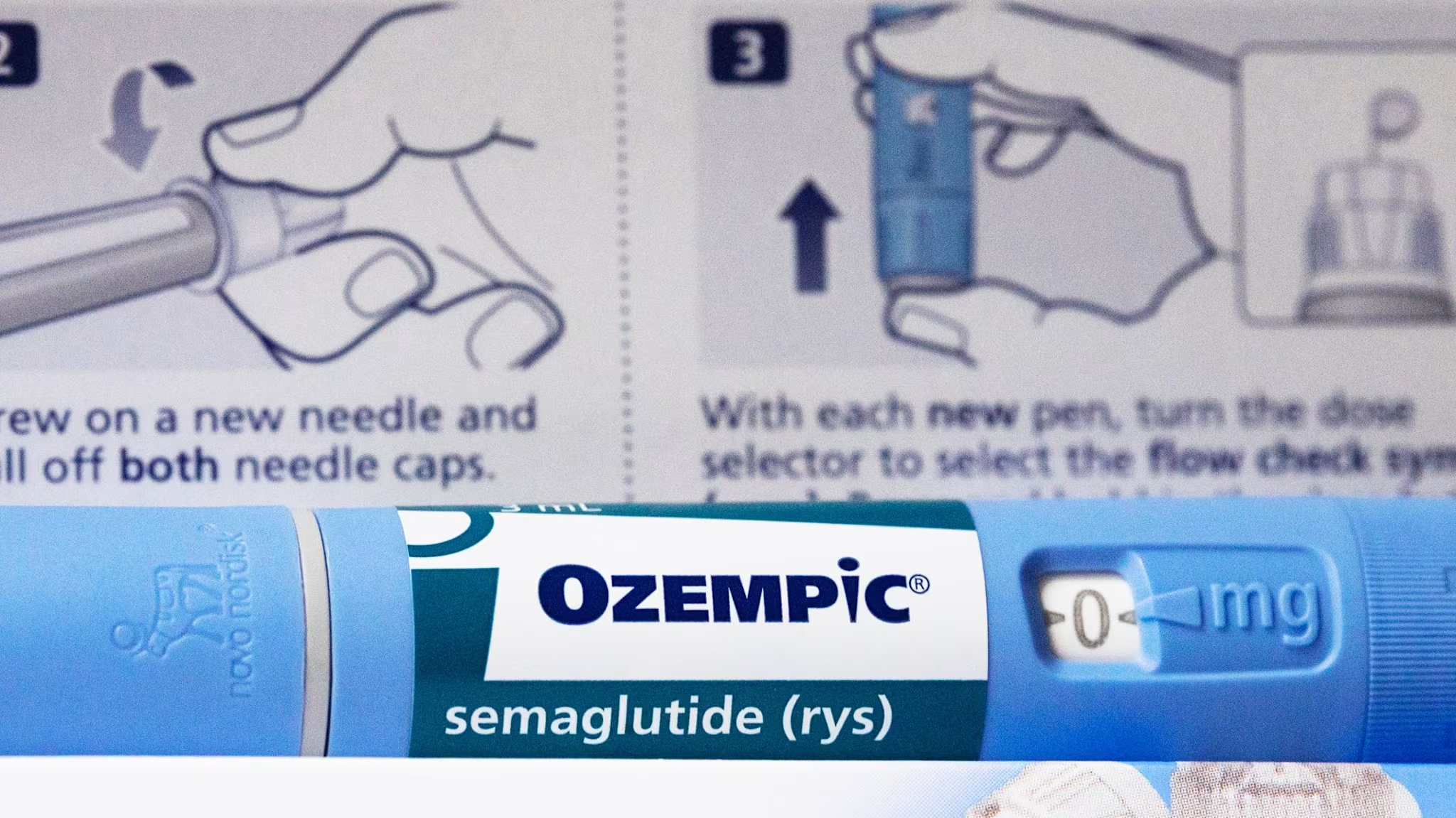
According to USA Today, the lawsuits accuse Novo Nordisk and Eli Lilly of failing to warn patients that their medications could be linked to non-arteritic anterior ischemic optic neuropathy, or NAION. The condition strikes when blood flow to the optic nerve is reduced and can cause sudden, lasting damage.
Plaintiffs say they developed it after using drugs including Ozempic, Wegovy, Mounjaro, Zepbound and Trulicity. Both companies dispute the allegations.
One of the men currently suing the companies began taking Ozempic in 2023 and lost vision in his first eye about four months later. Without knowing the cause, he continued treatment. He lost vision in his second eye in 2024. His experience puts a human face on the claim at the center of the litigation: Patients say they were never given the information they needed to weigh a potential threat to their sight.
According to the Cleveland Clinic, NAION, also known as “Ozempic blindness,” is rare, but the damage can be devastating. It typically causes sudden, painless vision loss, and no established treatment can reverse it. Some patients recover some vision over time.
The condition also raises a difficult question for lawsuits: Diabetes and other health conditions can increase a person’s risk of eye problems regardless of medication. A diagnosis after taking a GLP-1 does not, by itself, prove the drug caused it.
The warning labels are another flashpoint. In 2025, European regulators concluded that NAION is a very rare side effect of semaglutide, the ingredient in Ozempic and Wegovy, and moved to add it to product information.
In a statement, Novo Nordisk said it found no NAION safety signal in its randomized clinical trials and called the lawsuits “without merit.” Eli Lilly said “patient safety” is its “top priority” and that it monitors reports concerning its drugs.
Meanwhile, an August 2026 statement from eye specialists said the overall risk of NAION among GLP-1 users remains low.