Key Takeaways
- Hancock County, Georgia shut down every school and district office after three snakes—including one possibly venomous—were spotted on campus and inside a building during the first week of classes.
- Interim Superintendent Latrasha Palmer brought in licensed professionals to sweep all 30–40-year-old buildings for snakes, squirrels, rodents, and other wildlife that may have slipped in through gaps over the summer.
- Officials cited risks ranging from venomous bites to Salmonella, contamination, and hidden carcasses, and said schools could reopen August 10 if inspectors deem the buildings safe, with ongoing monitoring to follow.
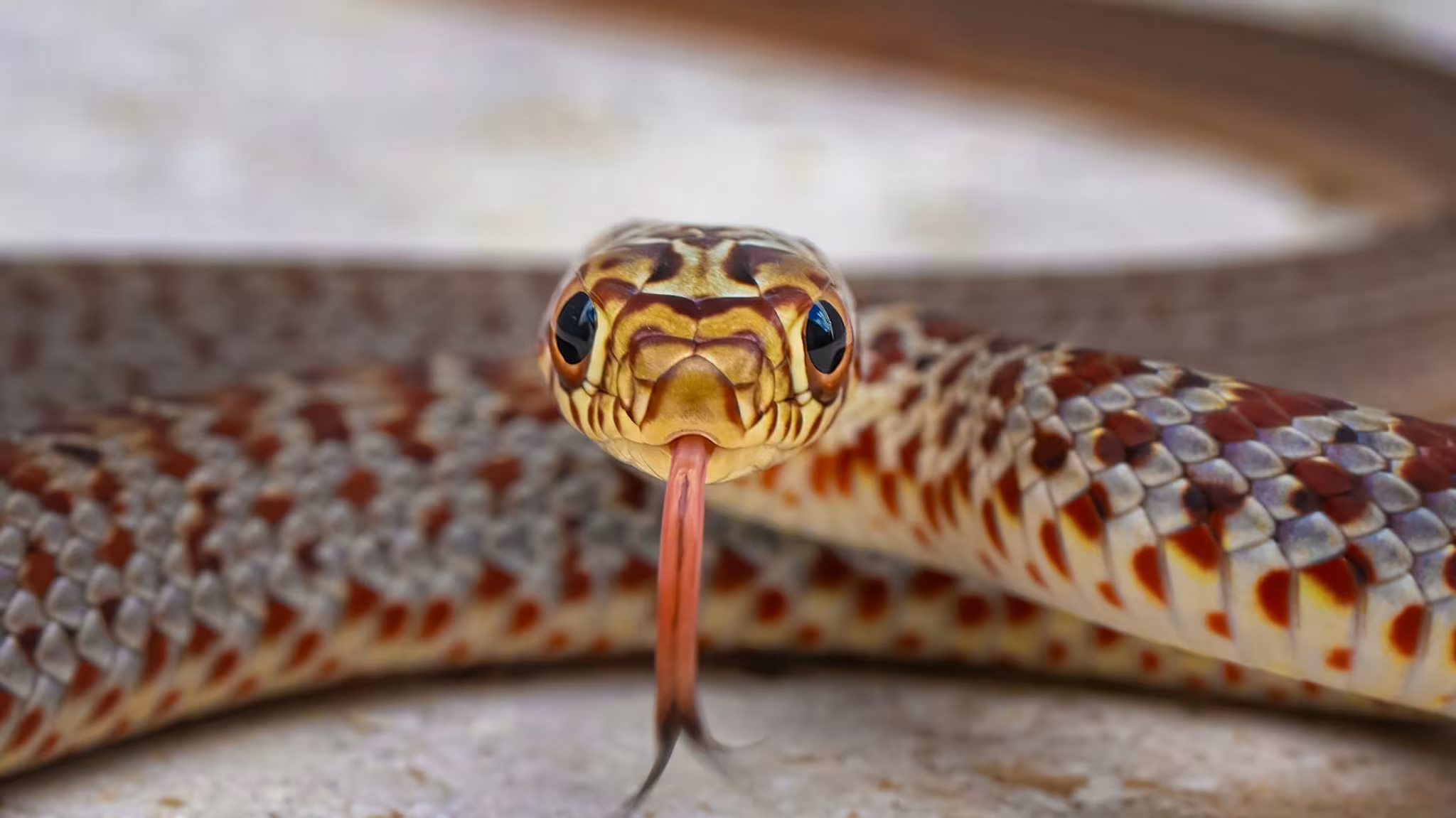
Hancock County, Georgia, students barely made it through their first week of school before snake sightings shut down district. All schools and offices in the rural Georgia county have been closed since Thursday, August 6, after three snakes were reported—including one possibly venomous intruder inside a building. Nobody was injured, but administrators wisely declined to find out whether the snake planned to stay for the semester.
According to CBS News, the first two sightings involved black snakes on one school campus. Things escalated when a brown snake was reportedly seen inside a district building, raising concerns that it could be venomous. No student or staff member came into direct contact with any of the animals, officials said. Still, once the wildlife makes it through the front door, “just keep an eye on it” stops being much of a safety plan.
Interim Superintendent Latrasha Palmer ordered licensed professionals to inspect every district property for snakes, squirrels and anything else that may have moved in over summer break.
Hancock County is located in rural East Georgia, and its school buildings are approximately 30 to 40 years old. Aging structures can develop gaps around foundations, utility lines and crawlspaces, giving animals easy access while they search for food, shade or shelter.
“I wanted to just do a sweep of the entire campus, just everything, because we’re in a rural setting,” Palmer said.
Previous problems involving squirrels also helped convince officials to expand the inspection beyond the areas where snakes had been seen. “We want to make sure everybody is safe in our schools,” Palmer said. “We’re checking that there are no animals, no snakes, nothing inside our buildings.”
The potential danger extends beyond a venomous bite. Snakes can enter buildings through surprisingly small openings, hide inside walls and crawlspaces, contaminate surfaces with waste, and damage insulation. If one dies inside an inaccessible space, the resulting odor can be difficult to locate and remove.
Even nonvenomous reptiles may carry Salmonella, which can spread through contact with the animal or contaminated areas. The presence of snakes may also point to a separate rodent problem, since predators generally follow their food supply.
Officials expect schools and offices to reopen on Monday, August 10, if inspectors determine that the buildings are safe. Specialists will continue monitoring the campuses, and the district said families and employees could receive additional updates as the work continues.